Framing Artwork: Choosing the Right Materials by Medium
June 27, 2026 · 6 min read
เขียนโดย Yongyut Sangpho
สรุปสั้น
Different artwork types need different framing materials. Oil paintings on canvas do not need glass — a floating frame that reveals the canvas edges is the standard approach. Watercolour and paper-based work require acid-free mat board and UV-blocking glass to prevent yellowing and fading. Charcoal and pencil drawings need special care: the powder can transfer to glass, so a mat board spacer of at least 5 mm is essential. High-quality Giclée prints should use conservation-grade materials to preserve their value. Framing prices for artwork start around 500 THB for a small A4 canvas and can reach 15,000 THB or more for large pieces requiring museum-grade materials.
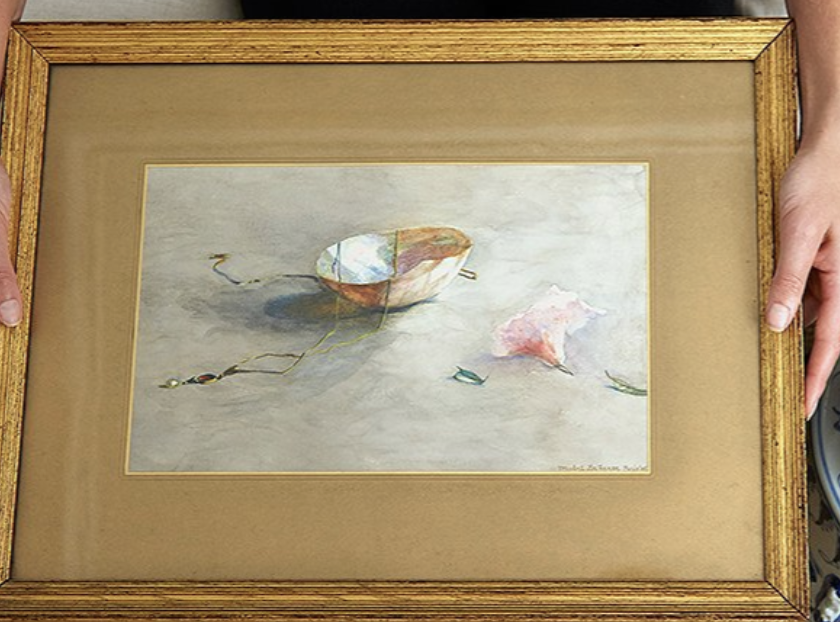
A customer walked in holding an A3 watercolor — a painting of a flower field made as a birthday gift, careful brushwork in every corner. Three years after framing, brown staining had crept along the edges and patches of color had visibly faded.
I knew immediately what had happened. The standard mat board pressed against the painting was carrying acid, and that acid had been migrating slowly into the paper for three years. The glass offered almost no UV protection, so the light coming through the window did its quiet work every single day. This kind of damage happens repeatedly to artwork that gets framed the same way as ordinary photos — and the two require very different materials.
Why artwork needs different framing than photographs
A modern photograph printed on resin-coated paper has a built-in protective layer. Watercolor soaks into the fibers of paper with no protection at all. Charcoal and pastel have loose pigment sitting on the surface. Oil on canvas needs air circulation to prevent moisture buildup. The material choices have to follow the type of work, not just the size of the frame.
Watercolor: the material that matters most
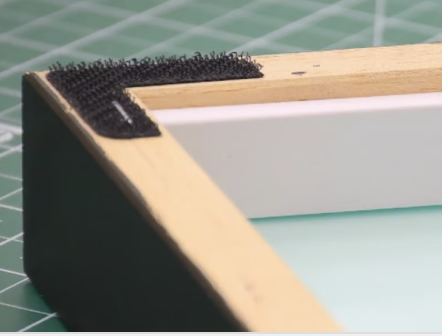
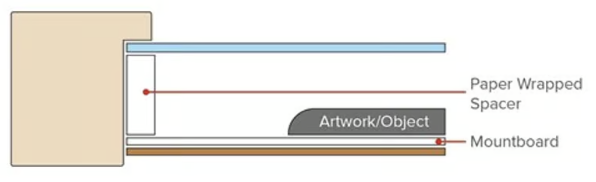
Watercolor is the most fragile work to frame correctly. The mat board must be conservation grade, acid-free. Acid in ordinary mat board migrates slowly into the paper and creates the same permanent brown staining you see on diploma certificates framed with cheap materials. There must also be a gap between the glass and the painting at all times. If glass touches watercolor directly, moisture condensing on the glass can cause the color to transfer or the paper to warp as temperature changes. Glass or acrylic should block at least 99% UV.
Pencil, charcoal, and pastel: never use acrylic
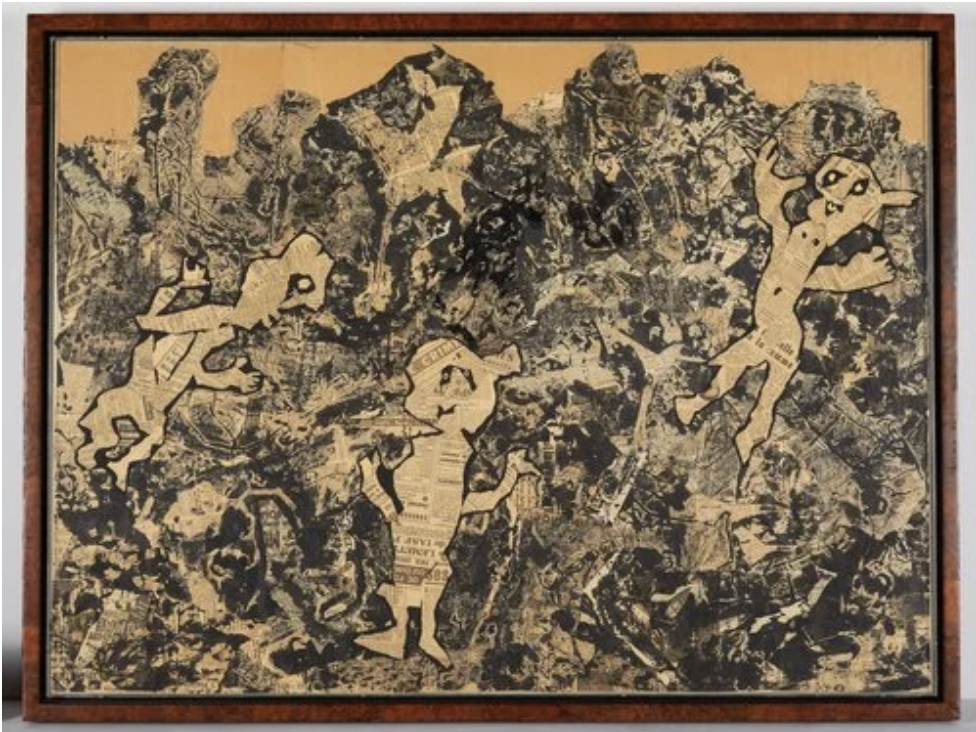
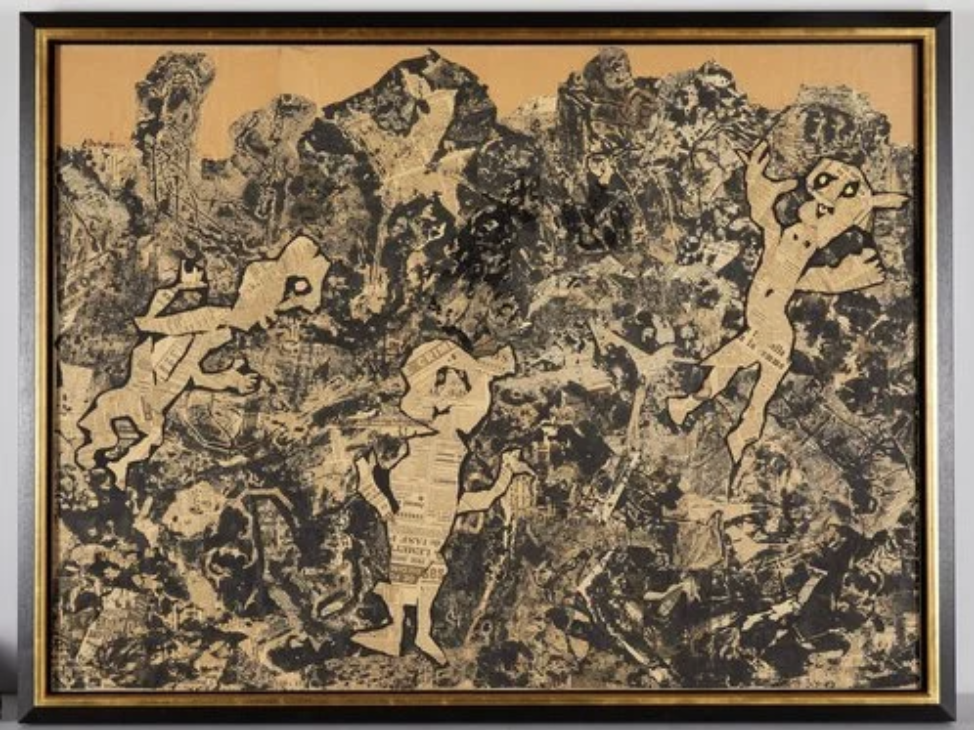
This is where I see mistakes most often. Acrylic naturally accumulates static electricity, which is harmless in most situations. But with work that has loose pigment on the surface — charcoal, pastel — that static charge gradually pulls the pigment off the paper and onto the inside of the acrylic. The damage is permanent and cannot be reversed. For every piece of charcoal or pastel work, use real glass only, without exception.
Oil on canvas: the case that usually needs no glass
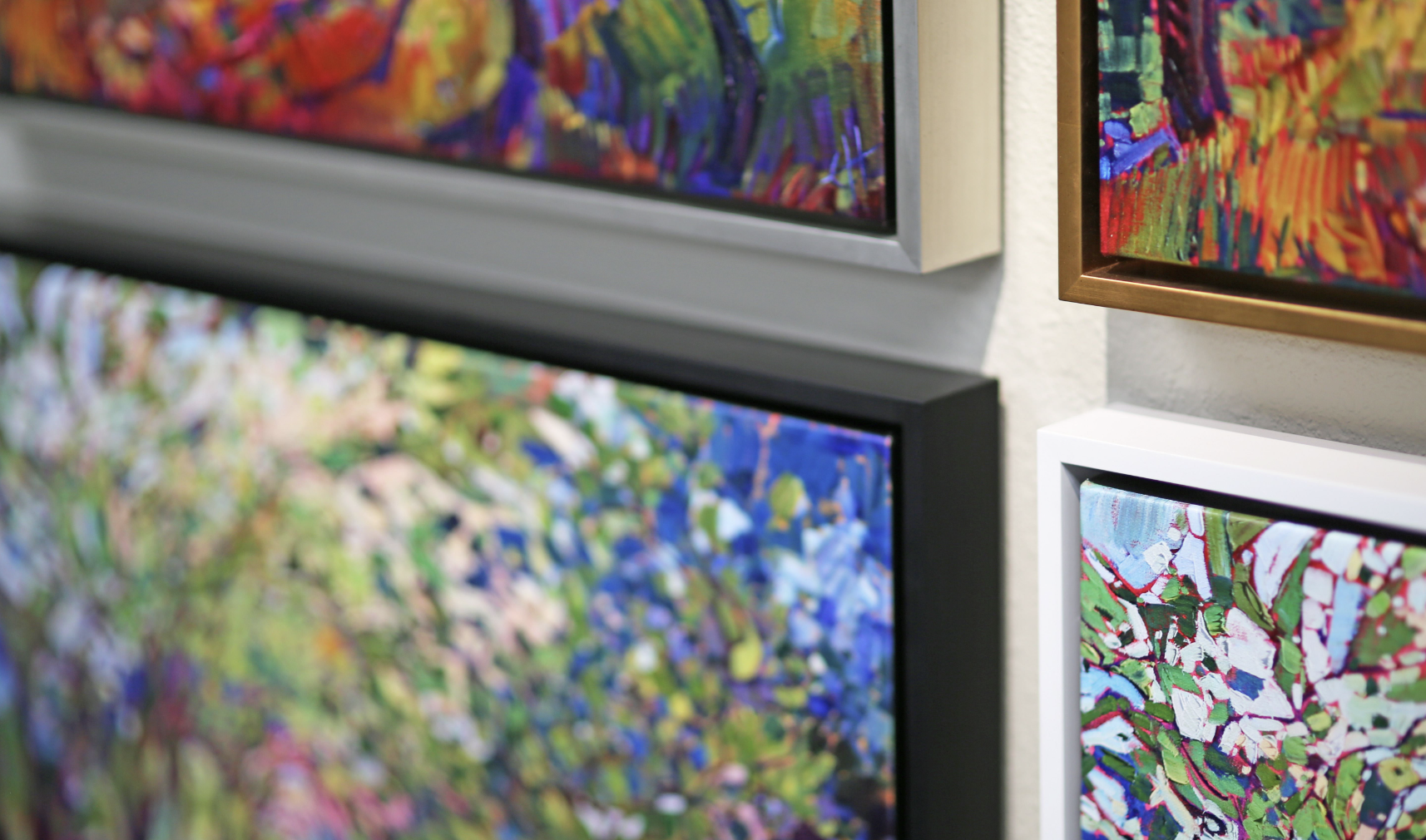
Oil on canvas is an interesting exception. Most galleries and conservation specialists frame it without any glass at all. Oil paint that has fully cured does not need moisture protection the way paper-based work does, and glass sealed tightly over canvas can trap humidity if the temperature inside shifts. A floating frame — where the canvas sits centered in the frame with a visible gap around the edges — is the most appropriate choice, and gives a clean gallery feel without adding any complexity. If glass is genuinely needed, use UV glass with a spacer and never seal it completely.
Fine art prints and Giclée: the most flexible category
High-quality prints made with archival-grade inks have more flexibility in material choices. Both glass and acrylic work well. If the budget allows and you want the best viewing experience, museum glass reflects less than one percent of light, which means the image stays clear and sharp even in rooms with light coming from multiple directions. For prints larger than 60 cm, acrylic is a better choice than glass because the weight difference is significant and the risk if the frame falls is much lower.
Summary by artwork type
| Artwork type | Glass | Mat board | Watch out for |
|---|---|---|---|
| Watercolor | UV glass or acrylic + spacer | Conservation grade, acid-free | Glass must never touch the painting |
| Pencil / Charcoal / Pastel | Real glass only | Conservation grade, acid-free | Acrylic causes static that pulls pigment |
| Oil on canvas | Usually no glass, or UV glass + spacer | Not required | Sealed glass can trap moisture |
| Fine art print / Giclée | UV glass or acrylic | Conservation grade recommended | Use acrylic for large sizes — lighter and safer |
Before ordering, tell the framer what medium the work is. That single piece of information determines the materials more than anything else. If the shop only asks about size and not about medium, that is a signal to ask more questions before deciding. Send a photo of the artwork along with the medium and dimensions via LINE — I will recommend materials at no charge.
Need a frame? Just ask us
Send a photo on LINE and we reply within one hour during opening times