Acrylic or Glass: What a 30 Year Framer Recommends
June 18, 2026 · 5 min read
เขียนโดย Yongyut Sangpho

สรุปสั้น
Acrylic and glass each have distinct advantages as glazing for frames. Acrylic weighs roughly half as much as glass, will not shatter into shards when dropped, and is ideal for large frames (60×80 cm and above), shadow boxes, jersey frames, and children's rooms where impact is a risk. UV-blocking acrylic filters 97–99% of harmful light — equal to premium glass. Its drawback is that it scratches more easily than glass. Glass offers superior optical clarity, scratch resistance, and a premium feel, making it well suited for smaller A4–A3 frames in safe locations. UV-coated glass ranges from 70% to 99% filtration depending on grade. Standard glass is less expensive than acrylic, but museum-grade glass costs more.
One day a customer called me in a panic. His cat had run into a large frame on the wall, it fell, and the glass shattered. No one was hurt, but the picture inside was scratched and ruined.
It reminded me of a question I hear often: should I use real glass or acrylic? The answer is not the same for every situation.
Weight and safety

Acrylic weighs about half as much as glass at the same size. That sounds small, but above 60 cm it changes everything. Large glass needs a stronger wall and hooks, and if it falls the shards are dangerous. Acrylic does not shatter, which makes it ideal for homes with small children or pets.
The static secret most people miss
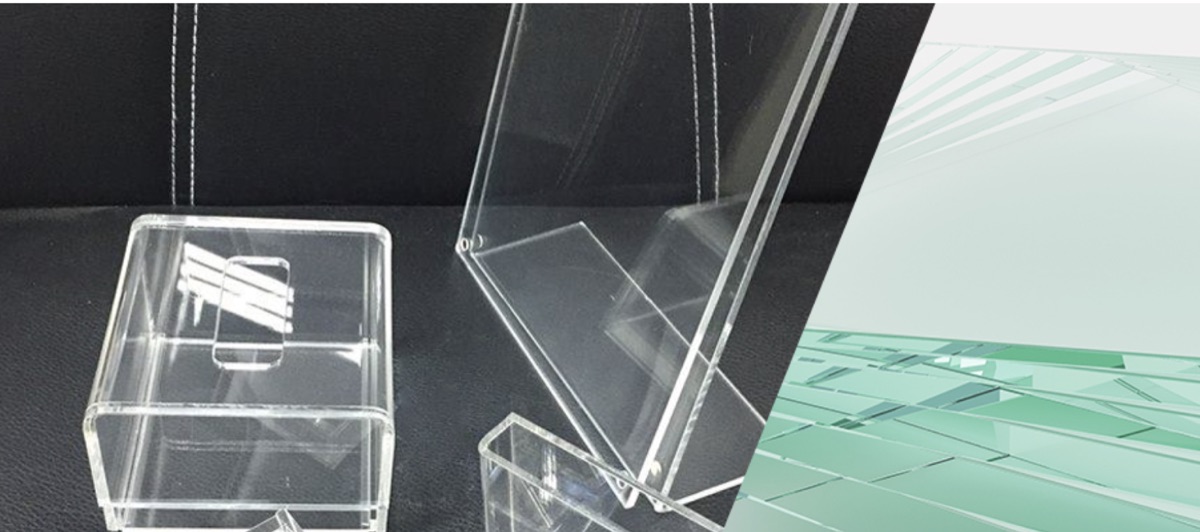
Acrylic naturally builds a static charge. Usually that is harmless, but for charcoal, pastel or any loose pigment on paper, the static can literally pull the pigment off the paper and onto the inside of the sheet, a damage that cannot be undone. For charcoal or pastel work I always use real glass, with no exceptions.
Different care
Glass cleans easily with ordinary glass cleaner. Acrylic must never meet ammonia, which is in most supermarket glass cleaners and will cloud the surface permanently. Use only a dry microfiber cloth or an acrylic safe cleaner, and wipe gently because acrylic scratches more easily.
When to choose what
Use acrylic for frames over 60 cm, homes with children or pets, high hanging spots, and photos or digital prints with no loose pigment. Use real glass for charcoal and pastel work, pencil work with loose dust, and when you want the sharpest possible view. If unsure, tell me the artwork and the room and I will advise you straight.
Need a frame? Just ask us
Send a photo on LINE and we reply within one hour during opening times